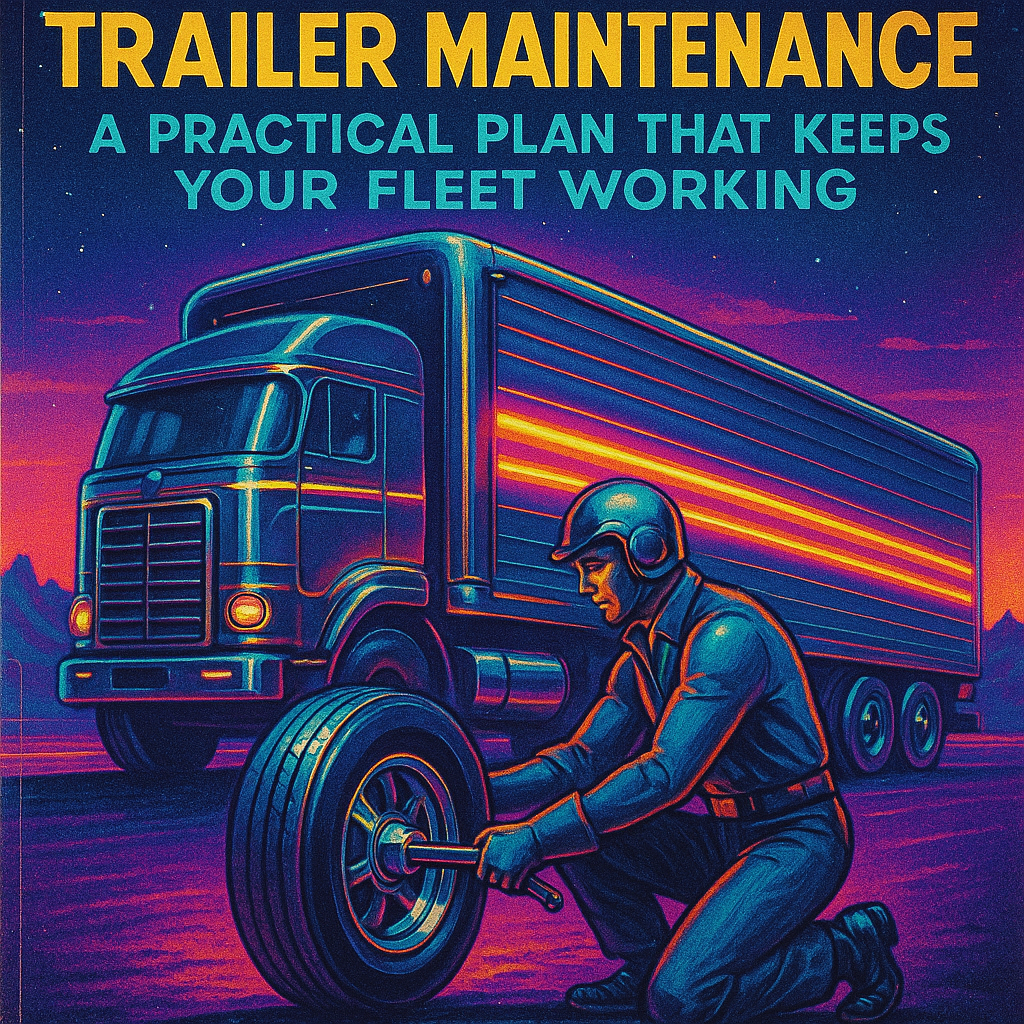
Seasonal Trailer Maintenance: A Practical Plan That Keeps Your Fleet Working
I learned the hard way that a trailer that sits clean and quiet on the lot can still fail when you need it most. One winter morning I hooked up for a long haul only to find a seized jack, a cracked brake line, and an electrical short. That day cost a job, a customer’s trust, and a weekend of emergency repairs.
Seasonal trailer maintenance is not glamorous. It is a discipline of small inspections and predictable work. Do the basics at the right times and you avoid the big failures that stop revenue and drain crews. The plan below fits small fleets, independent contractors, and owner-operators who treat trailers as tools.
Why a seasonal plan beats reactive repairs
Reactive repairs always cost more. You pay overtime, tow fees, and lost time waiting for parts. You also lose predictability in scheduling and budgeting.
A seasonal plan converts those surprises into routine tasks. That improves uptime and gives you cleaner cash flow. It also creates a record you can use when selling or trading equipment.
Spring checklist: thaw, clean, and confirm roadworthiness
Start after the last heavy freeze and before the busy season. Spring checks focus on reversing winter damage and preparing for heavy use.
Inspect brakes and adjust or replace shoes and pads. Salt, grit, and moisture accelerate wear. Measure drum and rotor conditions and set clear replacement triggers based on depth, not guesswork.
Flush and replace fluids where applicable. Grease hubs and service bearings. Wheel bearings see abrasion in winter and need fresh lubrication before long hauls.
Examine tires for uneven wear, sidewall cuts, and embedded debris. Verify correct inflation. Replace tires that show cords or deep cracks. Tire failures on the road are preventable.
Test lights and wiring. Winter moisture and road chemicals corrode connectors. Use dielectric grease on plugs and secure any loose harnesses.
Check couplers, chains, and safety devices. Replace frayed chains and repair any actuator play. Confirm the hitch locks and latches operate smoothly.
Summer checklist: monitor cooling and load systems, and enforce safe hauling
Summer stresses trailers differently. Heat, heavy loads, and desert runs expose weak cooling, tires, and suspension.
Watch tire temperatures on long runs. High heat magnifies underinflation problems. If you do long interstate runs, consider a routine stop at 100 miles to check pressures.
Inspect suspension components for cracked hangers, worn bushings, and loose U-bolts. Heat cycles accelerate fatigue in worn parts.
Service hydraulic or electric lift systems. Check reservoirs, hoses, and quick couplers. Replace hoses with any swelling or cracking.
Check cargo restraint systems. Straps and ratchets show hidden wear. Replace straps that show UV degradation or stitching failure.
Fall checklist: prepare for moisture and heavy braking season
Fall is for tightening and protecting. Prepare trailers for wetter roads and heavier braking conditions.
Inspect brake lines, hoses, and ABS sensors. Replace any brittle hoses and clean sensor rings. Moisture in lines can freeze and cause failures in winter.
Seal seams and touch up exposed metal. A thin coat of protective paint on vulnerable welds reduces corrosion from future road salt.
Service doors, ramps, and seals. Weatherstripping becomes brittle after summer sun. Replace compromised seals to keep cargo dry.
Check battery condition for powered trailers. Cold drains batteries faster. Replace batteries older than three years or with low cranking amps.
Winter checklist: cold-proof systems and plan for downtime repairs
Winter brings the toughest environment. Cold, ice, and salt threaten brakes, hydraulics, and electrical systems.
Use antifreeze-safe products where applicable. If your trailer has auxiliary coolant or heated components, verify concentration and coverage.
Park on level ground and apply chocks. Cold hides subsurface ice and makes hooking up more dangerous. Chocks are simple and nonnegotiable.
Inspect and service jacks and landing gear. Grease leads and check for bent legs or seized motors. Replace any corroded hardware.
Protect electrical connectors with covers and dielectric grease. Moisture causes short circuits and brittle wiring failures.
Build a simple record system that holds crews accountable
A good seasonal program is more than a checklist. It requires a record and a habit.
Keep a small logbook in the truck or a shared spreadsheet. Track date, mileage, who inspected, and what was corrected. When a technician signs off, the job gets done.
Use the log to schedule parts purchases when prices are lower. Replace consumables in batches to reduce downtime. The memory of one technician is never as reliable as a dated entry.
Leadership in maintenance keeps operations predictable
Maintenance programs succeed when leadership treats them as operations, not chores. A steady routine from ownership down to technicians prevents corner-cutting when the schedule gets tight.
Good leadership links maintenance to measurable goals. Track uptime, mean time between failures, and emergency repair costs. Use those metrics to justify parts, labor, and training. If you want to read practical management thinking that translates to field routines, look into resources on leadership that focus on operational reliability. leadership
Closing insight: small investments buy big reliability
The most valuable maintenance work is the simple stuff done on time. Tighten a loose bolt today and you avoid a trailer down tomorrow. Replace a tired tire now and you avoid an accident later.
Treat seasonal trailer maintenance like a calendar of small investments. The work takes minutes or hours. The payoff arrives as less downtime, lower emergency costs, and crews who can trust their equipment.
Start with this yearly rhythm, keep short records, and build the habit. You will not eliminate every failure. You will, however, cut the failures that cost the most.
Leave a Reply